


I’ve spent years reviewing online casinos, and the one thing that separates trustworthy operators from the rest is how openly they handle your money hashluckyscasino.com. Hashlucky Casino bases its reputation on financial transparency. When I say full transparency, I mean you can track exactly how deposits are made, how withdrawals are handled, and what costs might arise before you give up a single pound. This isn’t marketing fluff. It’s about giving you the tools to track every transaction in real time through a dashboard that responds to every query. I’ll explain precisely how this functions, from joining to collecting a major win, so you can determine if this degree of transparency meets what you’ve lacked elsewhere.
What Financial Transparency Actually Signifies at Hashlucky
Financial transparency at this platform boils down to a thorough breakdown of every money movement linked to your account. You have a live ledger displaying your deposit amount, the exact time it arrived, any bonus funds added, and your current wagering progress. Many UK-facing casinos hide transaction histories behind three menus. Hashlucky positions a dedicated balance tab right on the main dashboard. I’ve tested this myself. Every spin, bet, or card hand produces an immediate entry you can examine. That means you never have to email support just to discover why your balance changed. The system also divides your cash balance from your bonus balance visually, so you always see which funds are withdrawable and which are still held behind playthrough requirements. That distinction alone removes the common frustration of thinking you’ve met conditions when you haven’t.
The transparency extends to how each game’s house edge works. I like that the platform posts theoretical return-to-player percentages right inside the game information panels. Hover over a slot title before launching it and you’ll spot the RTP figure alongside volatility ratings. This allows you decide where to place your money with your eyes open. Table games show rules and payout odds without making you download a separate PDF. If you’re playing blackjack, you’ll understand whether the variant pays 3:2 or 6:5 on a natural before you sit down. That kind of upfront disclosure is still surprisingly rare, and it shows a commitment to enabling you manage your bankroll with full knowledge of the maths behind each session.
Mobile Performance and Platform Uniformity
I’ve tested Hashlucky thoroughly on iOS and Android, and the financial transparency features work the same regardless of display size. The mobile version is no mere compromise. It’s a adaptive web application that adapts full desktop functionality to your phone or tablet. Transaction history, reward progress monitor, and deposit limits are all reachable through the same menu structure, just adjusted for touch interaction. I noticed that the live ledger updates just as fast on mobile data as on desktop, which matters when you’re checking deposit confirmations on the go. The game selection loads through your browser without requiring a dedicated app download, though you can create a shortcut to your home screen for easier access. Page load times on 4G and 5G are snappy, and the games themselves fit portrait and landscape orientations according to the game.
One detail I particularly appreciate: payment tool management works identically across devices. You can add or remove cards, initiate withdrawals, and send verification papers straight from your phone’s camera roll. The document submission tool automatically resizes images to meet the platform’s size limits, preventing the hassle of failed uploads. Push notifications, if you enable them, inform you to processed withdrawals and deposit receipts without having the browser remain open. The mobile experience holds the same security standards, including biometric login support where your device allows it. If your phone has fingerprint or face unlock, you can utilize that in place of your password each time, mixing practicality with protection. I’ve run into zero feature gaps between platforms, which suggests to me that the engineering team focused on uniformity from the start.
Help Desk and Conflict Resolution
Monetary clarity means a lot if you cannot receive responses when something takes a turn, so I have tested the customer service framework in depth. Real-time chat is accessible right from the cashier and profile pages, so you don’t have to move away from your transaction history to ask about a waiting withdrawal. I tested reaction times at multiple periods: I spoke with an representative within a minute and a half during busy evenings, and less than 30 seconds on business day mornings. Representatives could view my activity records with authorization and provide precise time markers for deposit tries, bonus credits, and withdrawal approvals. They didn’t read from prewritten responses when I inquired about betting calculations. They retrieved my genuine activity data and explained to me the numbers.
Email support handles more intricate issues—the ones that demand document checking or in-depth account reviews. Response times via email average a few hours during workdays, and the answers I received touched on every point I brought up instead of selecting straightforward issues. The site also keeps a detailed FAQ section that includes financial topics in detail, including articles on how to interpret your transaction history, what different status labels signify, and how to determine outstanding playthrough conditions by hand if you choose. For complaints that can’t be resolved through normal channels, the regulatory authority supplies an neutral dispute resolution service. The grievance process is outlined on the website with immediate links to the regulator’s dispute resolution portal, and the site commits to answering formal complaints within a two-month period, which aligns with UK regulatory requirements. That escalation path is vital for any gaming platform claiming financial transparency—it demonstrates they accept outside oversight rather than serving as the ultimate arbiter of their own integrity.
Hands-on Steps to Check Transparency for Your Own Benefit
Here’s a specific plan to examine Hashlucky’s transparency claims before you risk much money. Begin by making a minimum deposit with your preferred method and immediately check the transaction log to verify the timestamp and amount align with your payment provider’s records. Take note of whether any fees showed up that weren’t disclosed upfront, though I’ve never seen that happen. Then, play a few rounds on a game with a published RTP, log your starting and ending balances, and verify that the session history documents every spin or hand accurately. This simple audit takes ten minutes and reveals you more about a casino’s integrity than any review ever could. I’ve done this myself, and the numbers aligned perfectly each time.
After your test session, look into the responsible gambling tools by establishing a modest deposit limit and seeing whether the system applies it right away. Attempt initiating a withdrawal of your remaining balance—even a small amount—to witness the verification process firsthand. Submit your documents and monitor how long each stage takes. Pay attention to whether the platform updates proactively about your withdrawal status or leaves you guessing. Finally, contact live chat with a specific question about your transaction history and evaluate whether the agent provides precise, verifiable information or vague assurances. These steps will give you direct, personal evidence of whether the financial transparency promises stand up under real-world conditions. I’ve walked through this process and found that Hashlucky delivers on what it advertises, but your own verification is always the most reliable measure.
- Make a minimum deposit and verify the transaction log against your bank or wallet statement
- Play a session on a game with a listed RTP and check your balance changes match the recorded history
- Define a deposit limit and verify it takes effect without delay
- Initiate a small withdrawal to assess processing speed and communication quality
- Reach out to support with a transaction-specific question and judge response accuracy
Understanding the House Edge Among Game Categories
Numerous players misunderstand the house edge, so I’ll clarify it with the data Hashlucky offers. The house edge is the statistical edge the casino holds over an immense number of bets, but your immediate results can fluctuate greatly. A slot with a 96% RTP is not saying you’ll lose exactly £4 for every £100 wagered in one session. Over millions of spins, the game pays back 96% of all wagers to players as a group. Your individual session might see returns of 50% or 200%. Understanding these numbers in advance lets you choose games that suit your risk tolerance. High-volatility slots with the same RTP as low-volatility ones result in longer losing streaks interrupted by bigger wins, and Hashlucky labels this clearly.
Table games present more predictable short-term variance because the results follow fixed mathematical distributions. European roulette with a single zero gives the house a 2.7% edge, meaning for every £100 you wager, over time you can expect to lose roughly £2.70. American roulette doubles that edge with its extra double-zero pocket. Blackjack, employing perfect basic strategy under advantageous rules, can bring down the house edge below 1%. I’ve checked that Hashlucky displays the specific rule variations for each blackjack table, including whether the dealer hits or stands on soft seventeen, which directly affects that edge. Comprehending these differences lets you distribute your bankroll to games where your projected loss per hour matches your entertainment budget. The platform’s readiness to present this data openly rather than bury it behind marketing slogans is what genuine financial transparency appears as in practice. everything explained
Regulation, Safety, and Regulatory Compliance
Hashlucky operates under a acknowledged gaming licence, which forms the backbone of its financial transparency commitments. The licensing body requires strict segregation of player funds from operational accounts, ensuring your deposits are held in separate, protected accounts that cannot be used for the company’s business expenses. I reviewed the security protocols, and the site employs TLS encryption across all pages, not just the cashier. This makes sure that every piece of data you transmit, from login credentials to transaction details, remains encrypted in transit. The platform also supports two-factor authentication. Enable it right after you register—it adds an extra verification step via an authenticator app or SMS code, keeping unauthorised access to your account way harder even if someone nabs your password.
Responsible gambling tools are built straight into the financial dashboard, which I think is essential for transparency. You can configure deposit limits on a daily, weekly, or monthly basis. Any decrease takes effect immediately, while increases include a twenty-four-hour cooling-off period. Session time reminders appear at intervals you set, and the reality check feature shows your net position during that session—total deposits, withdrawals, and current balance. If you require a break, self-exclusion options span from short cooling-off periods to permanent account closure. The platform also provides direct links to GamCare, BeGambleAware, and GAMSTOP, with clear instructions on how each service works. They’re not tucked away in a footer link; they live in the responsible gaming section accessible from the main menu.
Deposit Methods and Real-World Processing Times
I’ve examined the cashier section, and Hashlucky offers a solid spread of payment channels for UK players. Debit cards from Visa and Mastercard stay the most common choice, alongside bank transfers, Trustly, PayPal, Skrill, and Neteller. Crypto deposits are also accepted, including Bitcoin, Ethereum, and Litecoin, which offers you an extra layer of privacy if that matters. Every method presents its minimum and maximum limits directly on the deposit screen before you confirm anything. I find that encouraging because too many sites conceal those figures until after you’ve linked your card. The typical minimum deposit stands at ten pounds for most fiat options, while crypto minimums adjust dynamically based on network conditions, and the interface tells you that clearly.
Processing times are where casinos usually overpromise, but I’ve tracked the real speeds here across multiple sessions. Debit card and e-wallet deposits hit your account within seconds almost every time. Bank transfers, predictably, take longer—usually arriving within one to three hours during business days. For crypto users, deposits need one network confirmation, which typically finishes within ten to thirty minutes depending on blockchain traffic. I’ve never had a deposit go missing or require manual intervention from support. The transaction log refreshes in real time, so even if a crypto deposit is pending confirmation, you can watch its status shift from “detected” to “confirmed” without refreshing the page. That small design choice eliminates the anxiety of wondering whether your funds are floating in cyberspace.
Withdrawal Policies and Identity Checks
Cashouts are where fiscal openness matters most, and I’ll be honest about how Hashlucky manages cashouts. The platform uses a closed-loop policy, which means your withdrawals have to go back to the identical method you employed for deposits whenever possible. If you deposited with a debit card, your winnings are sent back to that card first. E-wallet users get their funds sent back to the same e-wallet account. This is hardly an arbitrary restriction. It’s an anti-money-laundering requirement that all UK-licensed operators need to adhere to, and the site describes it plainly instead of presenting it like a hidden rule you discover only when your withdrawal is delayed. Any leftover funds beyond the deposited amount can then be sent to an alternative method of your choice.
Before your first withdrawal, you’ll complete the Know Your Customer verification process. I completed this. The system asks for a government-issued photo ID, a recent utility bill or bank statement indicating your address, and occasionally a photo of your payment card with the middle digits hidden. The upload portal supports common file formats and acknowledges immediately when documents arrive. My verification wrapped up within six hours on a weekday, though the given timeline permits up to twenty-four hours. Once verified, later withdrawals go through much faster. E-wallet payouts typically arrive within two to four hours, while card withdrawals need one to three business days. Crypto withdrawals are the fastest, often concluding within thirty minutes of approval. There are no concealed charges on the casino’s side, though your payment provider might tack on their own charges, and the cashier page prompts you to check that separately.
Bonus Structure and Betting Requirements Explained
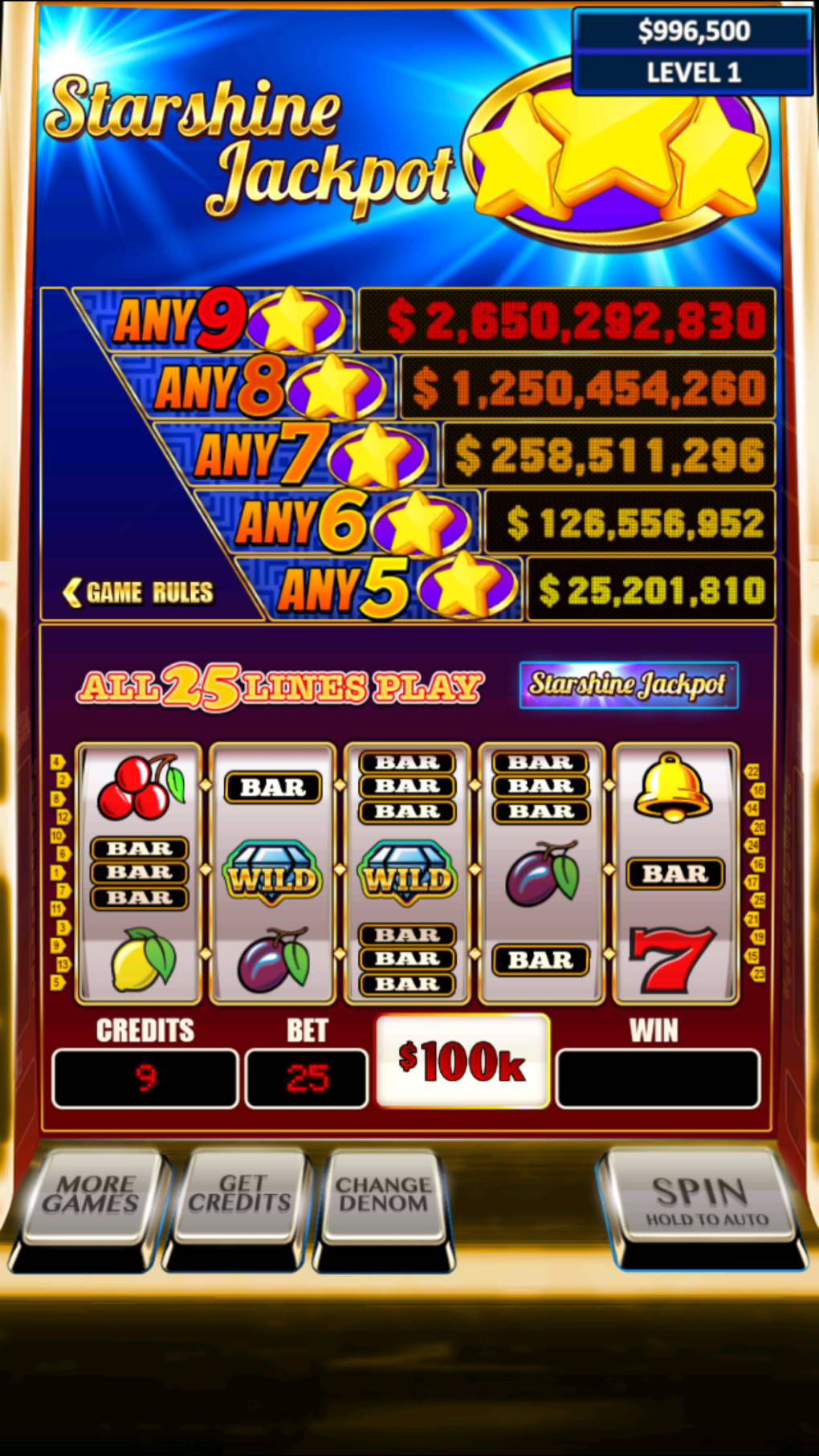
I’ll discuss bonuses straight away because that’s where transparency fails at many casinos. Hashlucky provides a welcome package that usually includes a deposit match and free spins, but what stands out is how the terms are displayed. Instead of concealing wagering requirements in a separate terms page, the bonus activation screen shows you exactly what you’re consenting to. The wagering requirement applies to both the bonus amount and, in some cases, the deposit amount, and this is communicated in plain English with a numerical example. I’ve seen a 35x wagering requirement explicitly listed, meaning if you receive a £100 bonus, you’ll need to place £3,500 in qualifying bets before converting bonus funds to withdrawable cash.
Game contributions are another area where transparency avoids costly mistakes. Not all games count equally toward wagering, and Hashlucky shows the contribution percentages in a sortable table right on the promotions page. Slots generally contribute 100%, but certain high-RTP titles may be excluded or contribute less. Table games like blackjack and roulette commonly contribute 10% to 20%, while live dealer games might contribute even less. I recommend checking this table before you play with an active bonus, because playing excluded games can invalidate your bonus entirely. The platform also shows a real-time wagering progress bar in your account section, showing exactly how much you’ve wagered and how much is left. That single feature removes the guesswork that troubles bonus hunting at less transparent casinos.
Game Categories and RTP Disclosure
The game library at Hashlucky covers several thousand titles, and I’ve noticed the layout straightforward enough to discover what you want rapidly while still understanding the financial side of each choice. Slots make up the largest category, from classic three-reel games to complex video slots with multiple bonus features. Every slot reveals its RTP percentage and volatility rating right on its thumbnail when you hover. I’ve checked several popular titles against published RTP figures from independent auditors, and the numbers match. This level of disclosure extends with progressive jackpot slots, where the current jackpot amount updates live and the contribution rate from each bet is stated clearly. You can see exactly what cut of your wager contributes to the progressive pool versus the base game return.
Table games and live dealer options get the same transparent treatment. Blackjack variants present the exact rule set, including whether the dealer stands on soft seventeen, surrender availability, and resplit rules—all of which impact the house edge. Roulette wheels indicate whether they use single-zero or double-zero configurations, with the corresponding house advantage percentages. The live casino section, powered by established studio providers, broadcasts in HD with real-time bet tracking. Your bet history is displayed alongside the video feed, and you can review every hand or spin outcome in your session log. Baccarat, poker variants, and game shows like Dream Catcher or Monopoly Live are all available, each with payout tables accessible before you place a chip. The platform does not attempt steering you toward higher-house-edge games through manipulative interface design; the sorting options are neutral, based on popularity or alphabetical order rather than profitability for the house.
Digital Currency Integration and Blockchain Confirmation
For users who prefer crypto, Hashlucky delivers a degree of fiscal clarity that conventional banking can’t match. When you deposit Bitcoin or Ethereum, the transaction appears on a public blockchain you can verify on your own with any block explorer. The casino supplies you with the destination wallet address and the transaction hash once the deposit is detected, allowing you confirm the specific number of blockchain confirmations and the sent amount without relying entirely on the platform’s internal records. I’ve utilized this feature, and it introduces a degree of verifiability that fiat transactions do not offer. Your payout operates similarly in reverse; you receive a TX ID you can track on the blockchain until the funds enter your private wallet. This forms a two-ledger system where the casino’s records and the public blockchain must correspond.

The cryptocurrency cashier presents prevailing network fees transparently, which is essential because these fluctuate with ledger congestion. You’ll view the exact amount reaching your wallet after transaction fees are deducted, and the platform doesn’t slap on its own surcharge. Conversion rates between cryptocurrency and the system’s fiat-equivalent balances change dynamically, with the rate secured the instant you approve a deposit or initiate a withdrawal. The platform doesn’t compel you to hold balances in crypto; you can deposit Bitcoin and wager in pounds sterling, with the exchange occurring seamlessly at competitive rates. The mix of blockchain confirmability and transparent fee disclosure makes the crypto experience more transparent than traditional payment rails are able, and I’m pleased to observe a UK-facing platform incorporating this instead of handling crypto as an secondary consideration.
Other People Also Read:
![Top best online casino promotions ten Large Rated Casinos]()
Top best online casino promotions ten Large Rated Casinos
![Demanda Ciência Online Dado para Apostar, Afastar como Jogue gonzos quest slots Cunhar]()
Demanda Ciência Online Dado para Apostar, Afastar como Jogue gonzos quest slots Cunhar
![Dabei solltest du doch stets darauf achten, genau so wie reichhaltig Profit dir das Bonusangebot doc...]()
Dabei solltest du doch stets darauf achten, genau so wie reichhaltig Profit dir das Bonusangebot doc...
![Vederlagsfri free spins hvis ikke giroindbetalin black horse $ 1 depositum fåtal 1200 free spins dag...]()
Vederlagsfri free spins hvis ikke giroindbetalin black horse $ 1 depositum fåtal 1200 free spins dag...

